Thursday, 28 March, 2024
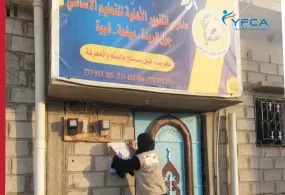
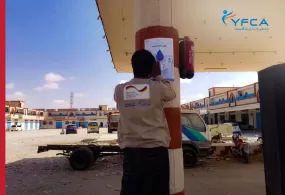
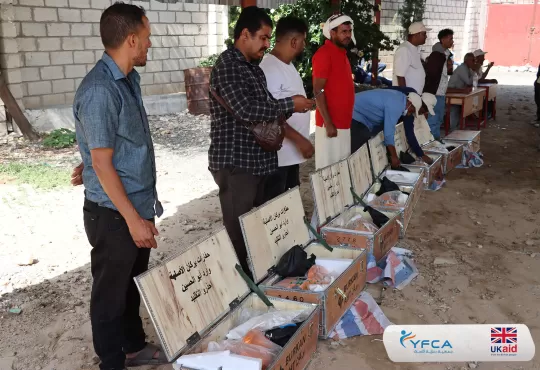
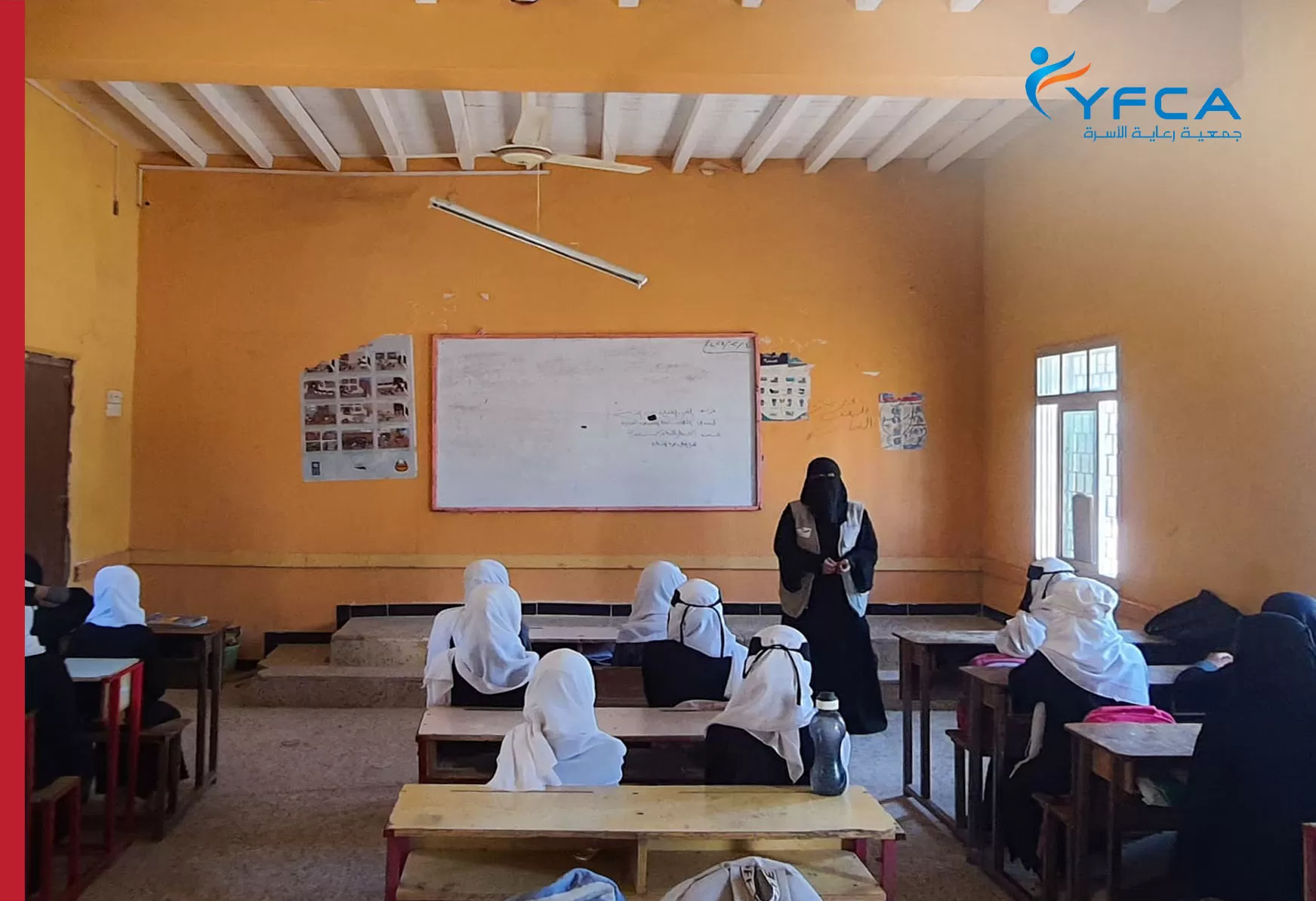
YFCA conducted a series of hygiene awareness sessions aimed at promoting personal and environmental health. These sessions have played a crucial role in educating individuals about the significance of maintaining proper hygiene practices to safeguard their well-being and protect them from life-threatening diseases.
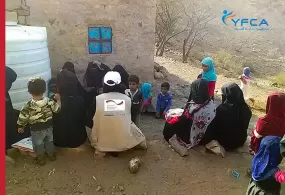
The YFCA organized a total of 200 awareness sessions on hygiene promotion across two districts in Shabwah Governorate and three districts in Ad Dali' Governorate. These sessions were carried out by 25 dedicated community hygiene volunteers, including 6 males and 19 females. The volunteers effectively disseminated key messages related to hygiene promotion, covering topics such as different types of waste, waterborne diseases, waste management, and safe disposal methods.
The impact of these sessions cannot be understated, as they have reached a substantial number of individuals within the target communities. The attendance for these sessions, which extended throughout March 2024, exceeded expectations with a total of 2386 participants. Among the attendees were women, men, boys, and girls from various backgrounds, including internally displaced persons (IDPs), marginalized individuals, returnees, and host communities.
This initiative is part of a larger ongoing project called the Multi-sectoral Emergency Response to support IDPs and other vulnerable groups in Ad Dali’ and Shabwah Governorates. The project receives financial support from the German Federal Foreign Office (AA) in partnership with Diakonie Katastrophenhilfe (DKH).
The objective of the hygiene awareness sessions is to raise awareness among the target communities about water and health-related practices that can reduce the incidence of diseases. By promoting positive attitudes towards health and hygiene, YFCA aims to instill behavioral changes in the community, ultimately leading to improved health outcomes. Additionally, these sessions also aim to ensure that the population in the targeted communities has sustained access to safe drinking water, further enhancing their overall well-being.